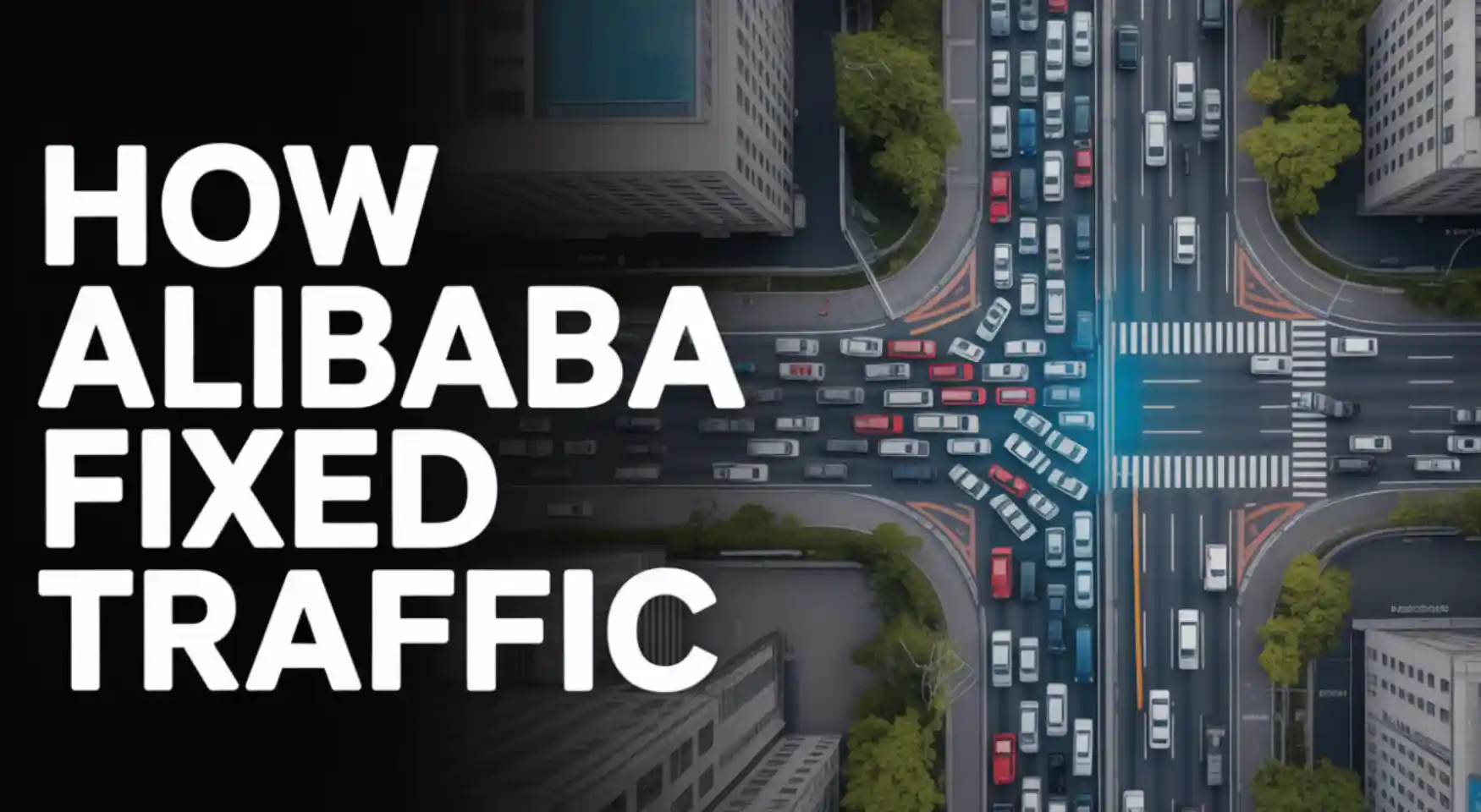
Ai case study: Urban traffic has always been chaotic, inefficient, and expensive.
Cities grow faster than roads.
Signals operate on fixed logic.
Human operators react too late.
Congestion wastes fuel, time, and productivity.
This is exactly the kind of problem artificial intelligence was built to solve.
Among large-scale ai case studies, Alibaba’s City Brain stands out as one of the most ambitious artificial intelligence case studies ever deployed in real-world urban infrastructure.
This blog is a deep, data-driven ai case study of how Alibaba’s City Brain uses AI to manage traffic, coordinate emergencies, and improve city-level decision-making — and what it teaches us about the future of smart cities.
AI + Smart Cities (Hero Visual)
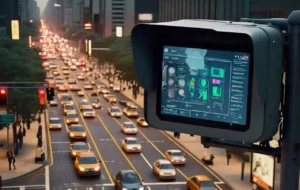
Why Urban Traffic Is One of the Hardest System Problems
Traffic is not just vehicles on roads.
It is a living system.
Urban traffic involves:
- millions of independent drivers
- unpredictable human behavior
- weather variations
- accidents and breakdowns
- public transport coordination
- emergency vehicles
- construction zones
Small disruptions cascade into city-wide gridlock.
This makes traffic optimization one of the most complex ai case studies in large-scale systems engineering.
The Scale of the Urban Traffic Problem
In major cities:
- congestion costs billions annually
- emergency response times increase
- pollution levels rise
- productivity declines
Before AI-driven systems:
- traffic lights followed static rules
- cameras were used only for monitoring
- data was siloed across departments
- response was reactive, not predictive
Cities needed intelligence — not just infrastructure.
Alibaba’s Vision Behind City Brain
Alibaba approached traffic like a computing problem.
The core idea:
Treat the city as a real-time operating system.
City Brain was designed to:
- see the entire city at once
- process traffic data continuously
- predict congestion before it forms
- optimize decisions in milliseconds
This vision pushed City Brain into the category of world-scale ai case studies.
City Brain Architecture Overview
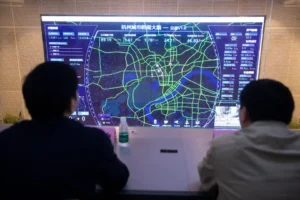

What Is Alibaba’s City Brain?
City Brain is an AI-powered urban management platform that integrates:
- traffic cameras
- road sensors
- GPS data
- public transport feeds
- emergency response systems
It does not just observe traffic.
It controls and optimizes it.
This makes City Brain a landmark artificial intelligence case study in cyber-physical systems.
How City Brain Works: A Deep Technical Breakdown
1. Data Ingestion (City-Wide Sensing)
City Brain continuously collects data from:
- traffic cameras at intersections
- vehicle GPS systems
- ride-hailing platforms
- public buses and metros
- road sensors
This creates a real-time digital mirror of the city.
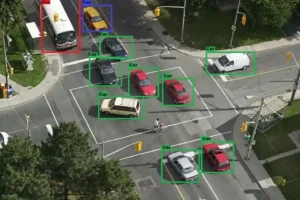
2. Computer Vision & Traffic Perception
AI models analyze video feeds to detect:
- vehicle count
- speed and direction
- lane occupancy
- accidents and breakdowns
- illegal parking or violations
Human operators cannot process this scale of visual data.
AI can.
3. Traffic Pattern Prediction
Machine learning models predict:
- congestion buildup
- peak load intersections
- spillover effects
- accident probability
- abnormal traffic behavior
This predictive layer is what transforms City Brain from monitoring to intelligence — a defining feature of this ai case study.
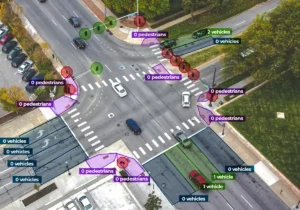
4. Traffic Signal Optimization
City Brain dynamically adjusts:
- traffic light timing
- lane priority
- signal coordination across intersections
Unlike static signals, AI adapts every few seconds.
The result:
- smoother flow
- reduced stop-and-go traffic
- faster travel times
Image Group: AI Controlling Traffic Lights
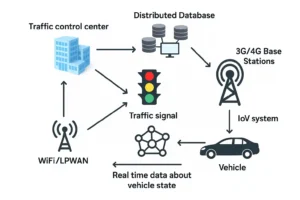
Emergency Response Coordination
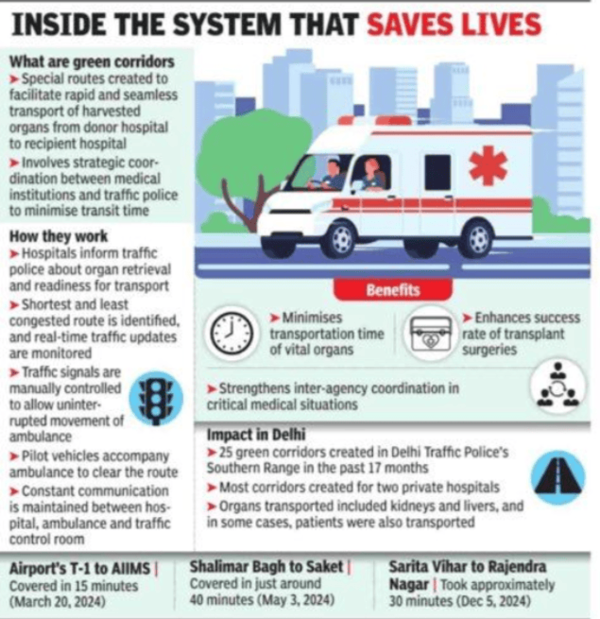
City Brain also prioritizes emergency vehicles.
AI enables:
- green corridors for ambulances
- faster police dispatch
- optimized fire response routes
- real-time rerouting
In some deployments, emergency response times dropped significantly — a powerful outcome of this ai case study.
Image Group: AI-Assisted Emergency Response

Data-Driven Urban Planning
Beyond real-time control, City Brain provides insights for:
- road expansion decisions
- public transport planning
- congestion pricing zones
- infrastructure investments
City planners use AI-generated data instead of assumptions.
This elevates City Brain from a traffic tool to a city intelligence platform.
Measured Impact of City Brain
Traffic Efficiency
- reduced congestion
- smoother intersections
- improved average speed
Environmental Impact
- lower idle emissions
- reduced fuel consumption
Operational Efficiency
- fewer manual interventions
- centralized control
- faster incident resolution
These outcomes place City Brain among the most successful ai case studies in urban infrastructure.
Why This AI Case Study Is Different
Most ai case studies operate in digital environments.
City Brain operates in:
- physical space
- real-time conditions
- safety-critical scenarios
Failures are visible.
Mistakes affect millions.
This makes reliability, explainability, and resilience critical.
Challenges & Limitations
No real-world ai case study is without friction.
1. Data Quality
Camera blind spots and sensor failures exist.
2. Privacy Concerns
Mass surveillance requires strict governance.
3. Infrastructure Dependency
Older cities need upgrades to integrate AI.
4. Human Trust
City officials must trust algorithmic decisions.
Alibaba addresses these through:
- anonymization
- policy controls
- human oversight
- gradual rollout
What This AI Case Study Teaches Other Industries
This ai case study extends far beyond traffic.
Applicable domains include:
- power grid optimization
- water management
- airport operations
- logistics hubs
- disaster response
- platforms studied in ai education case studies
Core lessons:
- AI excels at system-level optimization
- Prediction beats reaction
- Centralized intelligence improves coordination
- Data-driven decisions outperform intuition
- AI must integrate with human governance
Final Thought
Alibaba’s City Brain proves something critical.
AI is not just for personalization or automation.
In this artificial intelligence case study, AI becomes:
- a city operator
- a traffic controller
- a public safety enhancer
- a decision engine for urban life
By using AI to manage traffic at scale, City Brain shows what smart cities can truly become — adaptive, efficient, and human-centered.
Future of AI-Driven Cities (Conclusion Visual)
Internal Link
- [Internal Link: “Read our breakdown of AlphaFold — AI’s biggest science breakthrough.”]